





Global Supply Chains Explained: What Economic Bottlenecks Mean for Consumers and Businesses
The intricate web of global supply chains, once largely an obscure operational detail, has ascended to the forefront of economic discourse. Recent disruptions have exposed the inherent vulnerabilities of an interconnected world, prompting a re-evaluation of efficiency versus resilience. This article aims to dissect the phenomenon of global supply chain bottlenecks, analyzing their origins, manifold impacts on both businesses and consumers, and the strategic adaptations emerging in response.
The Anatomy of a Global Supply Chain
A global supply chain represents the comprehensive system involved in moving a product or service from its initial raw material stage through various production and distribution processes until it reaches the end-user. This typically involves a sequence of stages:
Stock Market Predictions
- Raw Material Extraction: Sourcing fundamental resources, often from diverse geographical locations.
- Manufacturing and Assembly: Processing raw materials into components and then assembling final products, frequently across multiple countries to leverage specialized labor and cost efficiencies.
- Logistics and Transportation: The movement of goods via ships, planes, trains, and trucks, facilitated by a complex network of ports, warehouses, and freight forwarders.
- Distribution and Retail: Delivering products to wholesalers, retailers, and ultimately, the consumer.
For decades, the prevailing philosophy emphasized ‘Just-in-Time’ (JIT) inventory management and lean manufacturing principles. These strategies were designed to minimize holding costs and optimize capital utilization by ensuring materials and components arrived precisely when needed. While immensely efficient in stable environments, this model inherently reduced buffer capacities, making the system susceptible to even minor disruptions.
**Navigating Inflation: Strategies
Genesis of the Bottlenecks: A Confluence of Factors
The current global supply chain predicament is not attributable to a single cause but rather a complex interplay of systemic issues exacerbated by exogenous shocks. Key contributing factors include:
Beyond Borders: How
- The COVID-19 Pandemic: Initial lockdowns crippled production facilities, particularly in key manufacturing hubs, while simultaneously shifting consumer demand from services to goods, creating an unprecedented surge in orders. Labor shortages due to illness, quarantine, and new health protocols further hampered operations from factories to ports.
- Surging Consumer Demand: Post-lockdown economic recoveries, often buoyed by substantial fiscal stimulus measures, unleashed pent-up consumer spending. This demand growth outpaced the supply chain’s ability to ramp up production and logistics, especially for durable goods and electronics.
- Logistical Infrastructure Strain: Ports worldwide experienced unprecedented congestion, leading to extensive delays in offloading and loading cargo. A shortage of shipping containers in the right places, combined with a scarcity of truck drivers and dockworkers, exacerbated bottlenecks, dramatically increasing freight costs.
- Geopolitical Factors and Trade Policies: Ongoing trade disputes, tariffs, and geopolitical tensions have encouraged some businesses to re-evaluate their supply routes and sourcing, adding an element of uncertainty and potential re-routing costs.
- Climate Change Impacts: Increasingly frequent extreme weather events, such as droughts, floods, and storms, have directly disrupted production (e.g., agricultural commodities, energy) and transportation infrastructure (e.g., blocked waterways, damaged roads).
- Underinvestment and Aging Infrastructure: Decades of underinvestment in critical infrastructure, particularly in port capacity, rail networks, and modern warehousing, have rendered parts of the global logistics network vulnerable to stress.
Impact on Businesses: Navigating Disruption and Cost
For businesses across virtually all sectors, the supply chain bottlenecks have translated into tangible operational challenges and significant financial implications.
- Increased Costs: Businesses face soaring costs for raw materials, components, and especially shipping. Container rates have surged multiple-fold, and domestic transportation costs are also elevated due to fuel prices and labor shortages. These rising input costs compress profit margins, particularly for businesses with limited pricing power.
- Production Delays and Shortages: Manufacturers struggle to obtain critical components (e.g., semiconductors), leading to production halts, reduced output, and missed sales opportunities. This has been particularly evident in the automotive, electronics, and appliance industries.
- Inventory Management Shifts: The fragility of JIT systems has prompted many companies to reconsider their inventory strategies, moving towards ‘Just-in-Case’ approaches. While this enhances resilience, it entails higher inventory holding costs and ties up more working capital.
- Strategic Re-evaluation: Companies are actively exploring diversification of suppliers, reshoring or nearshoring production, and investing in greater supply chain visibility technologies (e.g., AI, blockchain). These strategic shifts involve substantial capital expenditure and are long-term undertakings.
- Reduced Competitiveness: Smaller businesses, lacking the negotiating power or financial reserves of larger corporations, are often disproportionately affected, struggling to secure necessary inputs or absorb higher costs.
Impact on Consumers: Higher Prices and Limited Choices
The repercussions of strained supply chains inevitably cascade down to the consumer level, influencing purchasing decisions and household budgets.
- Inflationary Pressures: Businesses, facing increased operational costs, often pass these onto consumers in the form of higher prices. This contributes significantly to broader inflationary trends, eroding purchasing power and real wages.
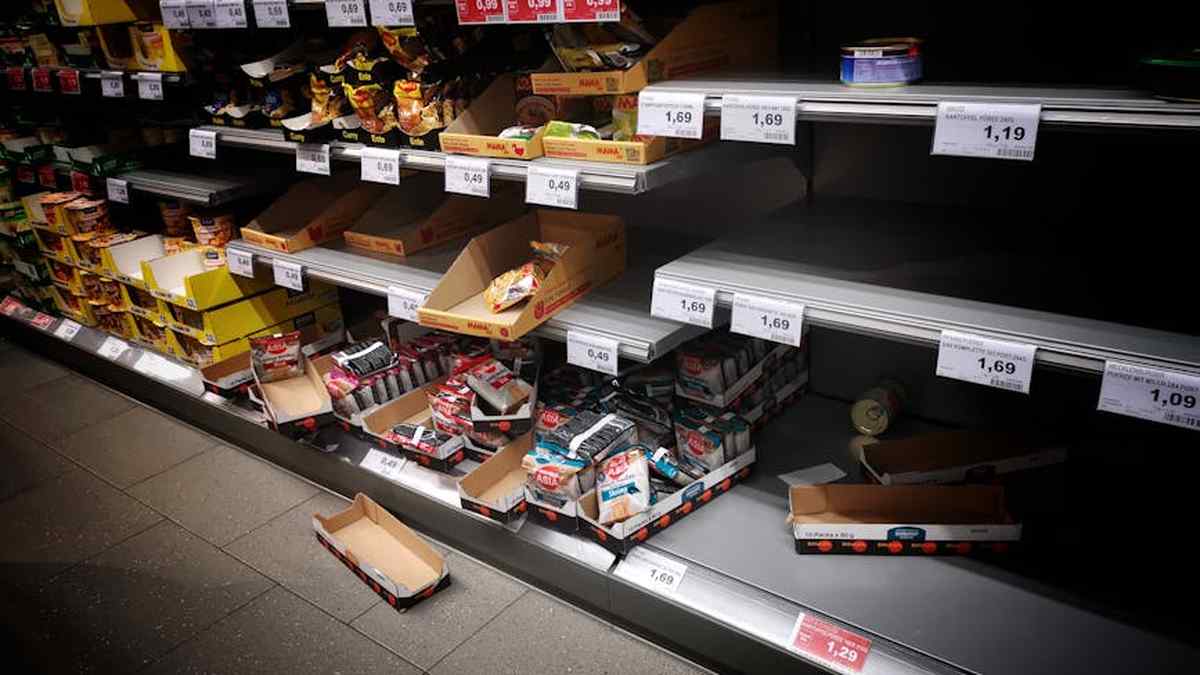
- Product Shortages and Delays: Consumers frequently encounter out-of-stock items, longer delivery times for online orders, and reduced product variety. This can range from popular electronics and appliances to certain food items and automotive parts.
- Reduced Choice: With manufacturers focusing on core, high-demand products due to limited component availability, consumers may find fewer options or specialized versions of goods available.
- Unpredictability: The lack of reliable delivery schedules creates uncertainty, making it harder for consumers to plan major purchases or rely on timely arrivals of goods.
- Shifts in Spending Patterns: Persistent shortages or high prices for certain goods may compel consumers to shift spending towards available alternatives, services, or simply delay purchases, potentially impacting overall economic growth.
The Path Forward: Mitigation and Adaptation Strategies
Addressing the vulnerabilities of global supply chains requires a multifaceted approach from both corporate entities and policymakers.
- For Businesses:
- Diversification of Sourcing: Moving away from single-source or single-region reliance to establish a more resilient network of suppliers across different geographies.
- Enhanced Visibility and Digitalization: Investing in technologies like AI, IoT, and blockchain to gain real-time insights into inventory, shipments, and potential disruptions across the entire supply chain.
- Building Strategic Inventory Buffers: A selective move away from pure JIT towards holding more critical inventory, particularly for high-demand or long-lead-time components, despite the associated costs.
- Nearshoring/Reshoring: Evaluating the economic and strategic benefits of bringing production closer to end markets, weighing labor costs, geopolitical risks, and environmental impact.
- Strengthening Partnerships: Developing deeper, more collaborative relationships with key suppliers and logistics providers to enhance information sharing and mutual support during crises.
- For Policymakers:
- Infrastructure Investment: Prioritizing public investment in modernizing ports, railways, roads, and digital infrastructure to improve logistical flow and resilience.
- Trade Facilitation: Working to reduce trade barriers, streamline customs processes, and foster international cooperation to ensure smoother movement of goods.
- Workforce Development: Implementing policies to address labor shortages in critical sectors like trucking, maritime operations, and manufacturing through training, immigration, and incentives.
- Strategic Reserves: Considering the creation of national or regional strategic reserves for critical goods and components to mitigate future shocks.
Long-Term Implications and Outlook
The current period of disruption is likely to instigate a fundamental shift in how global supply chains are conceptualized and managed. The emphasis may evolve from pure cost efficiency to a more balanced approach prioritizing resilience, adaptability, and risk management. This does not necessarily signal an end to globalization but rather a recalibration, potentially leading to a ‘regionalization’ of certain supply chains where goods are produced closer to their consumption markets.
It is plausible that the structural changes required will involve significant capital investment and take several years to fully materialize. While some inflationary pressures driven by supply chain costs may abate as conditions normalize, the strategic decision to build more resilient (and often more expensive) supply chains could embed a degree of higher input costs permanently into some sectors. The future is complex and subject to a multitude of geopolitical, technological, and environmental variables, making any guarantees about outcomes inherently speculative. What appears certain, however, is that agility and foresight will be paramount for both businesses and economies navigating this evolving landscape.
What exactly is a global supply chain and why are we hearing so much about it now?
A global supply chain is a vast, interconnected network of businesses, processes, and resources that spans multiple countries, working together to produce and deliver a product or service from its raw materials to the final consumer. We’re hearing more about it now because the system, designed for efficiency, has shown vulnerabilities to disruptions like the COVID-19 pandemic, geopolitical events, and climate change, leading to widespread economic bottlenecks and affecting product availability and prices.
What do “economic bottlenecks” mean for the average consumer?
Economic bottlenecks refer to points of congestion or disruption within the supply chain that slow down or halt the flow of goods. For the average consumer, this typically translates into several tangible impacts: higher prices due to scarcity and increased shipping costs, longer waiting times for products, and sometimes a reduced selection of goods as companies struggle to restock shelves or fulfill orders. Essential goods, electronics, and automotive parts are often hit particularly hard.
How are businesses and governments addressing current supply chain challenges?
Businesses are responding by diversifying their supplier bases to reduce reliance on single regions, exploring “nearshoring” or “reshoring” production closer to their primary markets, increasing buffer inventories, and investing heavily in automation and data analytics to improve visibility and resilience. Governments are stepping in by investing in infrastructure (ports, roads), promoting international cooperation, and developing policies to support domestic manufacturing and critical supply chain components, aiming to create a more robust and less vulnerable global trade system.
Editorial Disclaimer:
This content is for informational purposes only and does not constitute financial,
investment, tax, or legal advice. Readers should consult a qualified professional
before making financial decisions.